
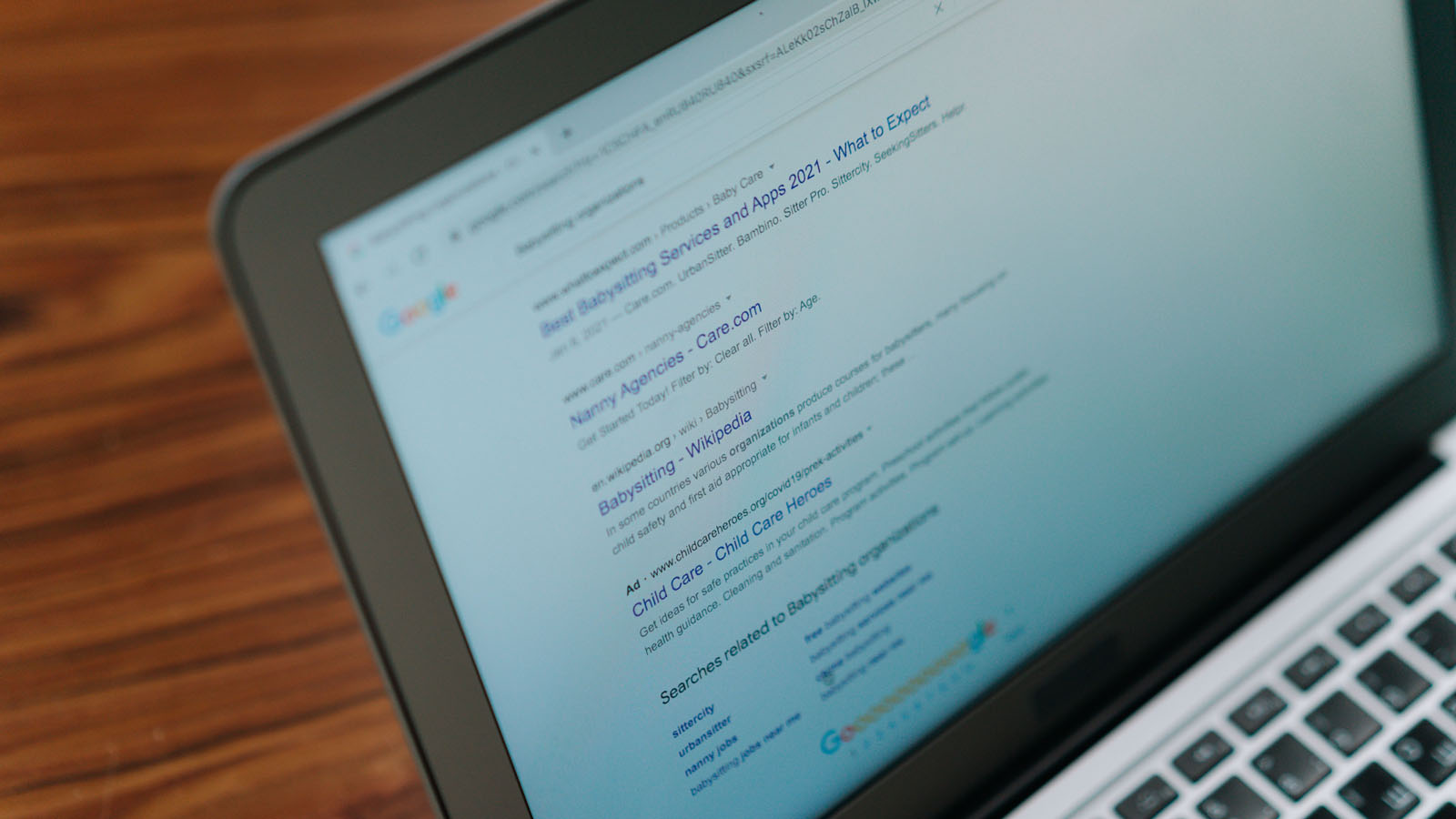
There was a time when “Googling” something meant digging. You would type a phrase, scan the blue links, click, back up, and try again. You weren’t just searching; you were foraging for the best answer.
That’s changing fast.
With Google’s new AI Overviews, and similar AI-powered tools from Microsoft and Perplexity, users don’t have to dig anymore. The answer, often a highly accurate and well-structured summary, now appears right at the top of the search results. These summaries pull from multiple sources across the web to create what feels like a personalized response.
It’s efficient. It’s convenient. And for businesses, it’s a problem.
This shift has been developing for years under what marketers call “zero-click search”, when users find what they need directly on the results page. AI is taking that trend to a new level.
Instead of short snippets or “People Also Ask” boxes, AI Overviews now provide full, synthesized explanations that anticipate follow-up questions. You can ask something oddly specific, like “how to migrate a small business website without losing SEO rankings”, and Google’s AI will piece together an answer that feels conversational and direct.
That’s a major improvement for users. AI is translating the way we think—vague, question-based, and natural—into exact answers without forcing us to rephrase or scroll through multiple sites.
The downside is that it gives people fewer reasons to leave Google at all.
For content creators and website owners, this means a new reality: less traffic, even if your content is still ranking well.
Your insights might still be powering those AI summaries, but users might never know it came from you. They’re reading your value, filtered through an AI interface that doesn’t always credit the source.
The most affected will likely be:
Even if your SEO remains strong, the reward—organic clicks and conversions—could shrink as users get what they need without ever visiting your site.
The instinct might be to worry, but this is really a sign to evolve your digital strategy.
Here are a few ways to adapt:
Share real data, opinions, case studies, or stories, not just facts. AI can rephrase information, but it struggles to replicate lived experience or unique perspectives.
Build awareness so people search for your name, not just a question. Branded searches are immune to AI summaries.
Use LinkedIn, newsletters, podcasts, or online communities to reach people directly. If Google acts as a gatekeeper, find other paths to connect with your audience.
Clear structure, accurate claims, and consistent formatting make it more likely your brand will be cited or linked when AI pulls data.
There’s an irony here. AI has made it easier than ever for users to get exactly what they were looking for, yet that precision comes at the cost of exploration. We no longer stumble across unexpected insights or new brands by accident.
For businesses, this means your visibility won’t come from simply being found anymore—it will come from being remembered.
In the end, the future of search isn’t just about where people click, but why they choose to click at all. And that comes down to something AI still can’t replicate: trust, connection, and the human voice behind the content.
Learn how to future-proof your online presence with Weaver’s strategy and automation insights.